
Managing Chronic Pain Through Integrated Therapies: The Power of Psychotherapy, Occupational Therapy, and Neurofeedback
Chronic pain is a complex condition that affects not only physical well-being but also mental and emotional health. Managing chronic pain often requires a multifaceted approach, as physical symptoms are frequently intertwined with psychological responses. An integrated treatment approach combining psychotherapy, occupational therapy (OT), and neurofeedback can be effective in providing relief and improving quality of life for chronic pain sufferers. Each of these therapies addresses different aspects of chronic pain, supporting both mind and body for long-lasting relief.
This blog will explore how psychotherapy, OT, and neurofeedback work individually and together to help manage chronic pain, empowering individuals to regain control over their lives.
1. Psychotherapy: Addressing the Emotional Aspects of Pain
Chronic pain can activate a range of emotional responses, including anxiety, depression, and frustration. These emotional states, in turn, can worsen the perception of pain, creating a cycle of suffering that is difficult to break. Psychotherapy can help by addressing the psychological factors that contribute to pain and providing tools to manage emotional responses more effectively.
Key Psychotherapeutic Approaches for Chronic Pain:
- Cognitive Behavioral Therapy (CBT): CBT is one of the most researched therapies for chronic pain. It focuses on identifying and changing negative thought patterns related to pain, such as catastrophizing (“This pain will never end”) or hopelessness. CBT teaches individuals to replace these thoughts with more balanced and positive ones, reducing pain perception.
- Mindfulness-Based Stress Reduction (MBSR): MBSR combines mindfulness meditation with gentle body awareness practices. It helps individuals stay present, reducing the impact of anticipatory pain (fear of future pain) and lowering stress. Research shows that MBSR can reduce pain intensity and improve emotional resilience.
- Acceptance and Commitment Therapy (ACT): ACT teaches individuals to accept pain without letting it control their lives. By focusing on personal values and creating a life aligned with these values, individuals with chronic pain learn to engage in meaningful activities despite discomfort.
Benefits of Psychotherapy for Chronic Pain:
- Improved Emotional Resilience: Therapy reduces anxiety and depression associated with chronic pain, helping individuals develop a positive mindset.
- Enhanced Coping Skills: Therapies like CBT and ACT provide tools for managing difficult emotions and changing how pain is perceived.
- Reduction in Pain Sensitivity: Psychotherapy can modify neural pathways associated with pain perception, reducing overall pain sensitivity over time.
2. Occupational Therapy: Building Functional Skills, Adapting Daily Activities and Psychotherapy
Occupational therapy focuses on helping individuals regain independence in daily life. Occupational therapy helps you acknowledge the pain, but reduce the impact it has on your ability to live your life. Chronic pain can interfere with basic tasks, making it difficult to work, engage in hobbies, or participate in social activities. Occupational therapists work with individuals to develop customized strategies that manage pain while promoting functional and meaningful engagement in life.
How OT Addresses Chronic Pain:
- Activity Modification: Occupational therapists teach individuals how to modify tasks to reduce pain, such as using adaptive equipment, changing postures, or altering the way they move during activities.
- Pacing and Energy Conservation: Chronic pain can lead to fatigue and burnout. OT introduces pacing techniques, where individuals learn to alternate between periods of activity and rest, conserving energy without overexerting themselves.
- Body Mechanics and Ergonomics: OT can provide training on proper body mechanics, such as lifting techniques and ergonomic workspace adjustments, to prevent strain and reduce pain during daily tasks.
- Embedding psychotherapy strategies into your daily life and activities.
- It’s also important to understand that occupational therapists are one of the 6 professions in Ontario that are authorized to practice psychotherapy, so the approaches discussed in the psychotherapy section are also applicable to your work with an occupational therapist if they have undergone the appropriate training.
Benefits of Occupational Therapy for Chronic Pain:
- Enhanced Independence: OT helps individuals maintain independence by adapting tasks to suit their pain levels, allowing them to participate in daily life without aggravating pain.
- Improved Physical Functioning: Learning body mechanics and pacing strategies reduces the physical strain of activities, decreasing pain severity.
- Support for Mental Well-being: By improving daily functioning, OT also supports mental health, as individuals feel more in control of their lives and less limited by pain.
3. Neurofeedback: Regulating Brain Activity to Reduce Pain Perception
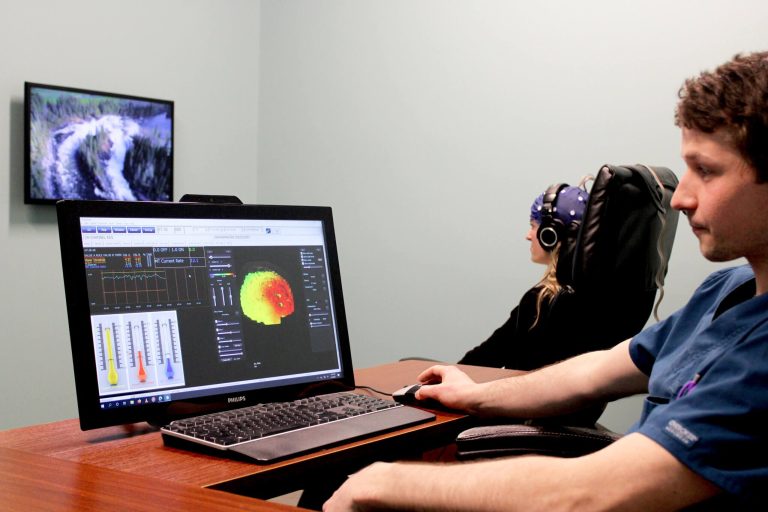
Neurofeedback is a form of biofeedback that trains individuals to modify their brainwave patterns to help change their response to pain from the neuronal level. For chronic pain sufferers, neurofeedback can play an important role in pain management by regulating brain activity associated with pain perception and emotional reactivity. By targeting specific brainwave frequencies, neurofeedback promotes relaxation, improves emotional regulation, and reduces pain sensitivity.
How Neurofeedback Supports Chronic Pain Management:
- Infraslow Neurofeedback (ISF): Infraslow neurofeedback targets very slow brainwave frequencies, associated with autonomic nervous system regulation. By improving the body’s ability to move between states of arousal and relaxation, ISF neurofeedback can reduce the sympathetic nervous system’s overreaction to pain stimuli, providing relief.
- Alpha-Theta Training: This neurofeedback protocol promotes relaxation by increasing alpha (calm) and theta (deep relaxation) brainwaves, helping individuals reach a more relaxed state. Alpha-theta training can help reduce emotional distress and anxiety related to pain.
- Reduction of Overactive Beta Waves: Chronic pain is often associated with heightened beta brainwave activity, linked to anxiety and hypervigilance. Neurofeedback can reduce excessive beta activity, lowering both pain sensitivity and stress.
Benefits of Neurofeedback for Chronic Pain:
- Enhanced Relaxation and Reduced Anxiety: Neurofeedback helps individuals achieve a state of calm, reducing pain-related anxiety and hypervigilance.
- Reduced Pain Perception: By targeting brainwaves linked to pain sensitivity, neurofeedback can decrease pain intensity and improve quality of life.
- Improved Autonomic Regulation: Neurofeedback can improve regulation of the autonomic nervous system, reducing physiological responses associated with chronic pain, like muscle tension and stress reactivity.
Integrating Psychotherapy, Occupational Therapy, and Neurofeedback: A Comprehensive Approach to Chronic Pain
Combining psychotherapy, OT, and neurofeedback provides a comprehensive and holistic approach to managing chronic pain, addressing both the physical and mental aspects of the condition.
- Psychotherapy supports mental health by reducing the emotional and cognitive impact of pain. It provides tools for managing thoughts and emotions related to pain, creating a mental framework for resilience and adaptability.
- Occupational Therapy helps individuals adapt their environments and activities to reduce pain and regain independence. OT bridges the gap between mental and physical wellness by enabling individuals to engage in meaningful activities without exacerbating pain.
- Neurofeedback enhances self-regulation and reduces pain perception by training the brain to manage its response to pain. It supports relaxation, improves autonomic stability, and complements psychotherapy and OT by reinforcing a calm, resilient mental state.
Chronic pain can impact all areas of life, but integrated therapies provide a path to effective relief. Combining psychotherapy, occupational therapy, and neurofeedback addresses the full scope of chronic pain, from emotional resilience and self-regulation to functional independence and mental well-being. This holistic approach empowers individuals to manage pain proactively, helping them regain control and improve their overall quality of life.
With commitment and the right combination of therapies, individuals with chronic pain can move beyond the limitations of their condition and lead more fulfilling, active lives. An integrated plan provides not only pain relief but also the tools to fully participate in your valued life activities and relationships —mentally, physically, and emotionally.
If you’re looking for personalized strategies or support, our team at Renew Neurotherapy is here to help. Our team will work with you to customize your therapeutic process to your unique needs. Reach out to us today to learn more!